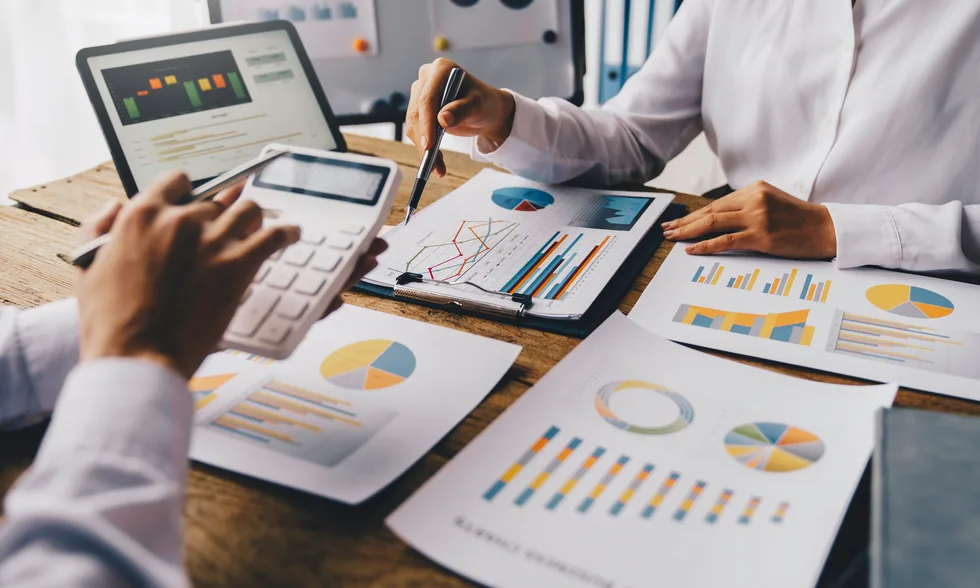
Most businesses have access to travel data. They know how much they're spending, where employees are travelling and which suppliers are being used. Yet for many organisations, this information sits in reports that are reviewed once and then forgotten.
The reality is that travel reporting is far more than a record of past activity. When analysed strategically, it becomes a powerful tool that can help businesses reduce costs, improve compliance, strengthen supplier relationships and make smarter decisions about their travel program.
The difference lies in turning data into action.
Why Travel Reporting Matters
Business travel is often one of an organisation's most significant controllable expenses. Without visibility into travel patterns and spending, it can be difficult to identify opportunities for improvement or ensure travel policies are being followed.
Effective travel reporting provides a clear picture of:
- Where travel budgets are being spent
- Which airlines, hotels and suppliers are being used most frequently
- Booking behaviours across travellers and departments
- Compliance with travel policies
- Emerging travel trends and opportunities for savings
This level of visibility allows organisations to move beyond assumptions and make informed decisions based on real data.
Identifying Cost Savings Opportunities
One of the most immediate benefits of travel reporting is the ability to uncover potential savings.
Detailed reporting can highlight patterns such as last-minute bookings, preferred supplier leakage or higher-than-expected accommodation costs. These insights allow businesses to make targeted changes that can have a significant impact on overall travel expenditure.
By understanding exactly where money is being spent, organisations can focus their efforts where they will deliver the greatest return.
Strengthening Travel Policy Compliance
Even the most well-designed travel policy is only effective if it is being followed by employees.
Travel reporting helps businesses monitor compliance by identifying trends and exceptions across their travel program. This enables organisations to understand where policy adherence is strong and where additional guidance or internal adjustments may be required.
Rather than reacting to issues after they occur, businesses can proactively manage compliance and ensure their travel program remains aligned with organisational objectives.
Supporting Supplier Negotiations
Travel data can also be a valuable asset for our Account Managers for negotiating with airlines, hotels and other travel suppliers.
Accurate reporting provides evidence of travel volume, spend patterns and traveller preferences. This information can strengthen negotiations and help organisations secure more favourable rates, added benefits or improved service agreements.
Improving Budget Forecasting
Planning for future travel spend can be challenging without reliable data.
Historical travel reporting provides valuable insights into seasonal trends, travel demand and spending patterns, helping organisations forecast budgets more accurately and allocate resources effectively.
This not only supports financial planning but also gives decision-makers greater confidence when preparing for future business growth.
The Role of Strategic Account Management
While reporting is important, the real value comes from understanding what the data means and how to act on it.
At Phil Hoffmann Corporate Travel, our dedicated Account Managers work alongside clients throughout the year to review travel performance, identify trends and provide strategic recommendations. Through regular reporting reviews (whether that's quarterly, bi-annually or annually at EOFY) we help organisations uncover opportunities, address challenges and continuously improve their travel program.
This proactive approach ensures that reporting becomes more than a document. It becomes a strategic roadmap for smarter decision-making, stronger policy management and better business outcomes.
From Insight to Action
Data alone doesn't create value, action does.
Businesses that regularly review and act on travel insights are better positioned to control costs, improve compliance, strengthen supplier partnerships and plan for the future.
At Phil Hoffmann Corporate Travel, we believe reporting should do more than tell you what happened; it should help shape what happens next.
Because when you turn data into decisions, better business outcomes follow.